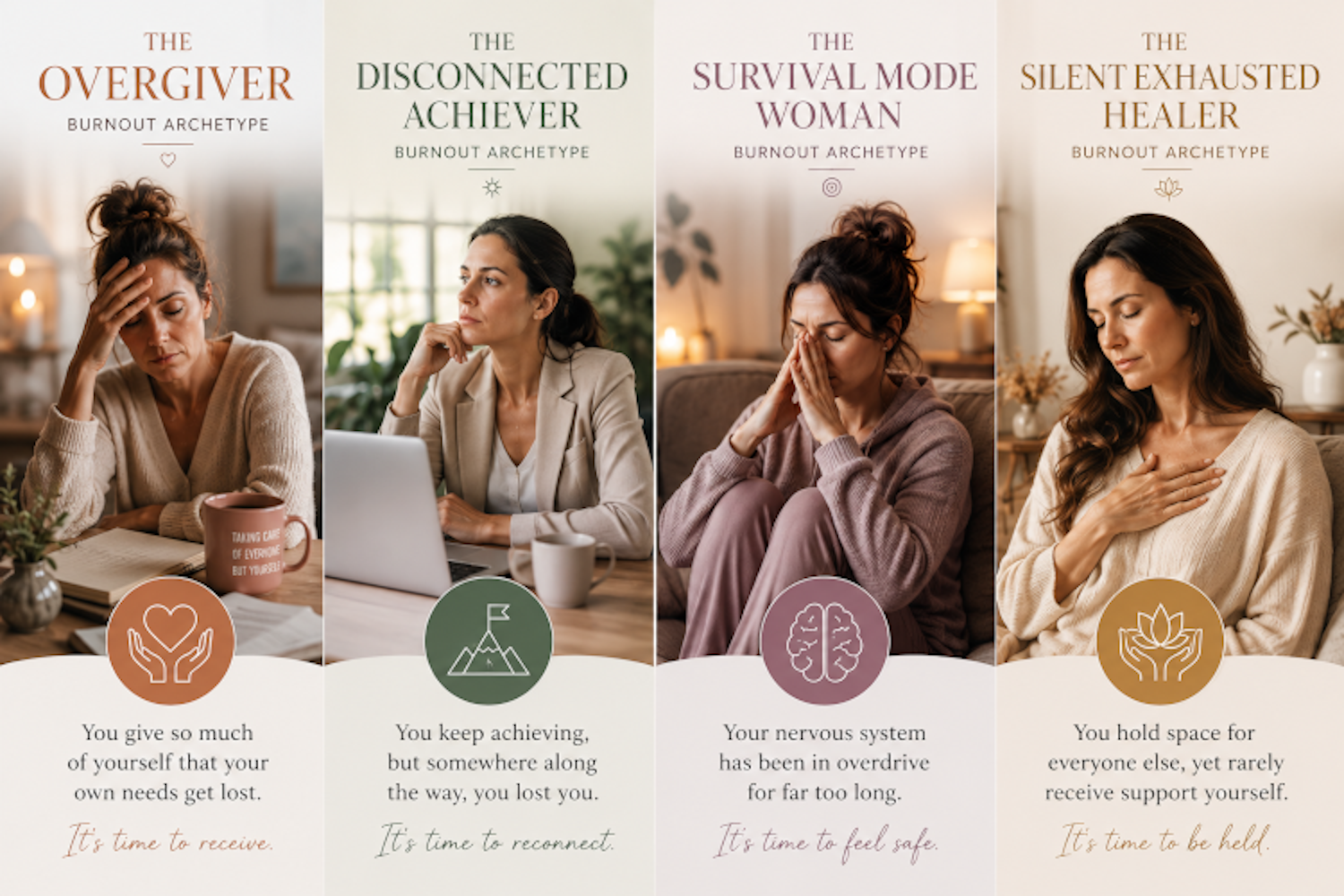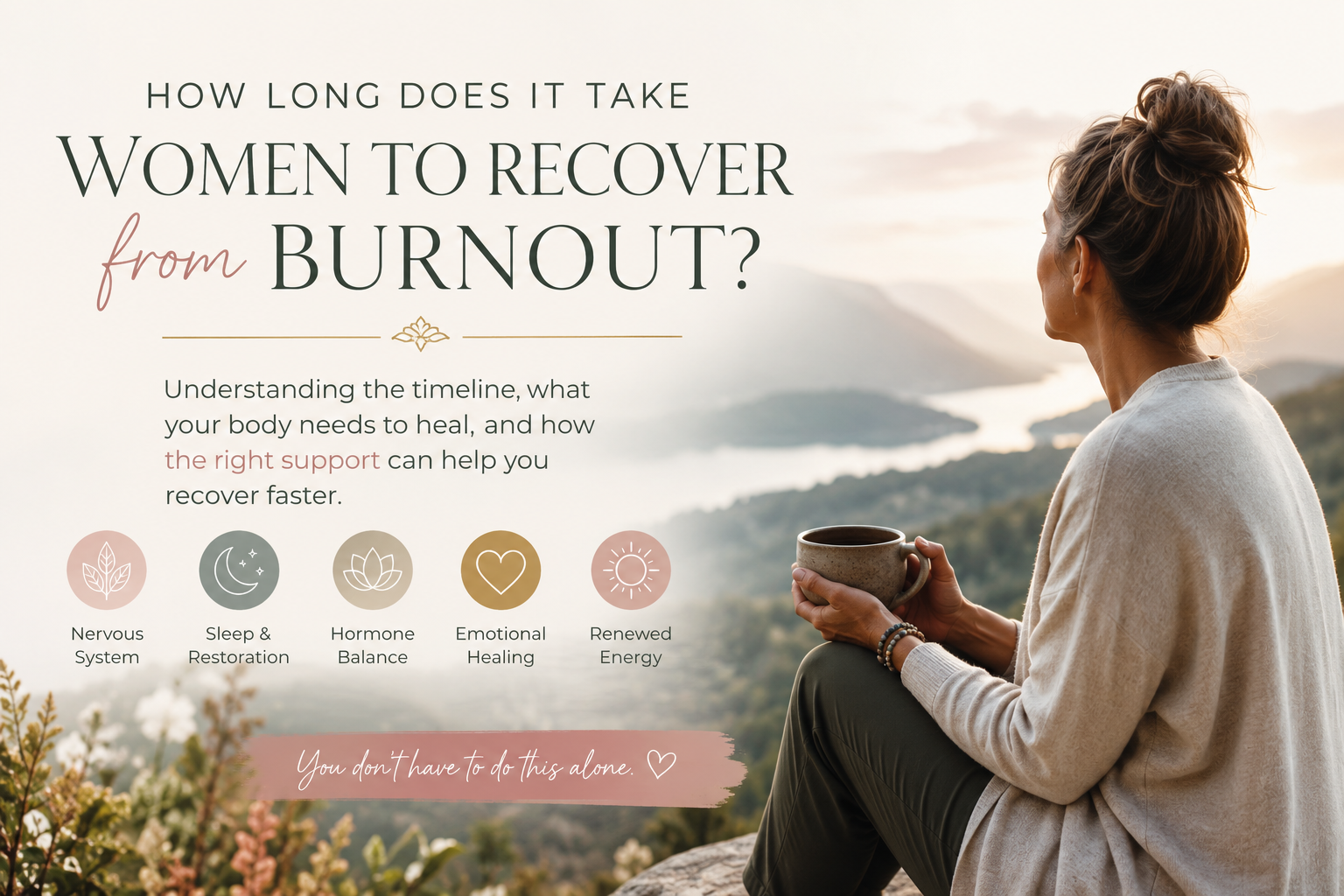
If you’re a woman in midlife experiencing burnout, you’re probably asking the same question many of my clients ask:
“How long before I feel like myself again?”
The answer is that burnout recovery is rarely measured in weeks—it is usually measured in months. But here’s the good news: with the right support, you don’t have to navigate that journey alone, and you don’t have to rely on trial and error.
Burnout isn’t simply feeling tired. It’s a whole-body response to prolonged stress that affects your nervous system, hormones, sleep, immune function, digestion, energy, emotions and even your sense of identity. For many women, especially during perimenopause and menopause, burnout can feel like they’ve lost the woman they used to be.
How long does recovery take?
Every woman’s journey is different, but research suggests these general recovery timelines:
Severity
Mild burnout
Moderate burnout
Severe burnout
Recovery Time
1–3 months
3–6 months
6–18 months (sometimes longer)
Recovery depends on several factors, including how long you’ve been living with chronic stress, your overall health, hormonal changes, your support network, and whether you’re addressing the root causes rather than simply treating the symptoms.
Why recovery can take longer in midlife
Women over 45 are often juggling careers, caring for children or ageing parents, relationship demands, hormonal changes and years of putting everyone else’s needs before their own.
By the time they seek help, many have been operating in survival mode for years.
This prolonged stress can lead to:
- Constant fatigue that rest doesn’t fix
- Brain fog and poor concentration
- Anxiety or emotional overwhelm
- Poor sleep
- Weight gain and stubborn inflammation
- Digestive issues
- Frequent illness
- Hormonal imbalance
- Feeling disconnected from yourself and your purpose
A holiday or a few early nights may provide temporary relief, but lasting recovery requires your body to relearn how to feel safe, rested and balanced again.
What actually needs to heal?
Burnout recovery isn’t just about having more energy.
It’s about restoring the systems that chronic stress has disrupted.
Your Nervous System
Your body has often been stuck in “fight or flight” for far too long.
Recovery means teaching your nervous system how to regulate again so that calm, resilience and emotional balance become your new normal.
Your Hormones
Long-term stress affects cortisol, insulin, thyroid function and reproductive hormones, often making menopause symptoms feel even worse.
Your Sleep
Sleep is one of the last things to recover. Many women wake between 2 am and 4 am, struggle to fall asleep or wake feeling exhausted despite spending enough time in bed.
Your Brain
Brain fog, forgetfulness, poor focus and reduced creativity are all common signs that your brain has been under prolonged stress.
Your Body
Inflammation, digestive issues, muscle tension, immune dysfunction and chronic pain are often part of the burnout picture and deserve attention—not just symptom management.
Why working together can shorten your recovery journey
One of the biggest reasons burnout recovery takes so long is that women often spend months—or even years—trying to figure it out on their own.
They search online for answers, try the latest supplements, push themselves to exercise harder, or simply tell themselves they need to “get on with it.”
But burnout is rarely caused by just one thing.
It is usually the result of multiple layers of physical, emotional and nervous system overload.
My approach is different because we work with the whole person.
Together we identify what’s keeping your body stuck in survival mode and create a personalised pathway back to health using an integrated approach that supports both body and mind.
Depending on your individual needs, your programme may include:
- Therapeutic massage to calm the nervous system, reduce muscle tension and support lymphatic flow.
- Lymphatic drainage to reduce inflammation, swelling and assist your body’s natural detoxification processes.
- Kinesiology to uncover hidden stress patterns and restore balance.
- Frequency-based therapies to support your body’s natural healing processes.
- Breathwork and nervous system regulation techniques to move you from constant “doing” into genuine restoration.
- Lifestyle, nutrition and stress-recovery guidance tailored specifically to where you are in your journey.
- Gentle coaching with accountability, encouragement and compassionate support so you don’t have to navigate recovery alone.
Rather than guessing what your body needs next, we work together to understand your unique stress patterns and respond with the right support at the right time.
The women I journey with tell me that simply having someone who truly understands burnout, has lived it, —and who can help them make sense of what they’re experiencing—brings an enormous sense of relief.
Recovery isn’t about going back
One of the greatest misconceptions about burnout is that recovery means getting back to who you were before.
I believe burnout is your body’s invitation to create something better.
Together, we don’t simply aim to restore your energy—we help you build a life that no longer requires you to sacrifice your health, your joy or your sense of self.
As energy returns, many women also rediscover confidence, purpose, healthier boundaries and a renewed connection with themselves.
You don’t have to do this alone
Healing from burnout takes time, but with the right guidance, personalised support and a whole-person approach, recovery becomes clearer, gentler and far more sustainable.
If you’re exhausted from pushing through, constantly putting yourself last or wondering why nothing you’ve tried seems to work, I’d love to help.
Together, we’ll uncover what’s really driving your burnout and create a personalised pathway that helps you restore your energy, rebuild your resilience and reconnect with the woman you were born to be.
Your body isn’t working against you—it has been protecting you. Now it’s time to help it heal.